The Corporate Engine: How a Few Parent Companies Dominate the Automotive Industry
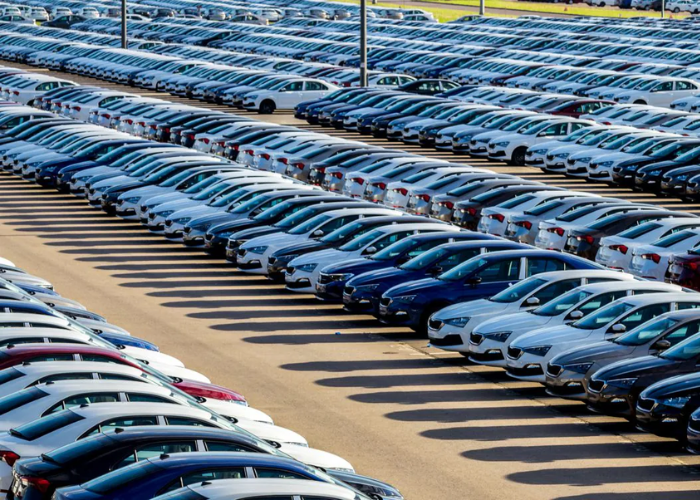
Walk into any crowded dealership parking lot and you will see dozens of distinct logos: Jeep, Chrysler, Dodge, and Ram. Driving past these rows of shiny metal, it looks like a fiercely competitive marketplace offering endless options. However, this vibrant display masks a brilliantly engineered illusion of choice. Every single one of those seemingly rival vehicles was actually born in the exact same corporate boardroom.
Think of modern manufacturing like a massive commercial kitchen. While the menu features dozens of vastly different dishes, ranging from affordable appetizers to premium entrees, they are all prepared by the same chefs using the same basic ingredients. In the automotive world, these different “dishes” form extensive car brand families. You might be paying for a luxury badge, but the mechanical ingredients underneath the hood are often shared directly with a budget commuter vehicle.
Industry data reveals a surprising truth about this lack of real competition. According to global market reports, a single mega-corporation like Stellantis currently houses an astonishing 14 brands under one roof. Doing a major automotive parent company breakdown exposes that just 10 to 12 massive players control almost everything driving on the road today.
This ongoing car industry consolidation directly impacts your wallet. Because these manufacturing giants share identical engines and skeletons across multiple nameplates to save billions in research, consumers routinely pay premium prices for standard technology. Unmasking the parent companies behind your favourite logos is the only way to ensure you never overpay for a piece of plastic.
Meet the 14-Brand Giant: How Stellantis and Volkswagen Redefine Global Ownership
The global market is quietly dominated by massive corporate families. Two of the largest are the Volkswagen Group and Stellantis, mega-corporations that have mastered the corporate portfolio.
Think of these portfolios like diversified investments designed to protect against sudden market shifts. If gas prices spike and truck sales plummet, the parent company survives because their budget-friendly commuter cars keep selling. By owning a complete list of car brand families, these giants guarantee they have a product for everyone.
A quick portfolio comparison illustrates this sheer scale:
- Volkswagen Group: Practical everyday rides (VW) to high-end luxury and performance (Audi, Porsche, Bentley, Lamborghini).
- Stellantis: Formed by massive car company mergers, housing American icons (Jeep, Ram), European staples (Fiat, Peugeot), and Italian luxury (Maserati).
What makes this family tree fascinating is how much DNA these siblings share. If you buy a six-figure Lamborghini, you might be shocked to discover it uses many of the exact same underlying parts found in a standard Volkswagen. This clever strategy spreads expensive research costs across multiple price tags.
Knowing who owns whom is only half the story. To understand how an entry-level hatchback and a premium sports car can roll out of the same corporate kitchen, we have to look under the sheet metal at the “Skateboard” secret: how shared skeletons save billions and shape your drive.
The ‘Skateboard’ Secret: How Shared Skeletons Save Billions and Shape Your Drive
Have you ever wondered why a new SUV often feels exactly like the sedan parked next to it? It all comes down to an engineering trick called “platform sharing.” Think of a modern car’s base like a giant skateboard containing the engine, battery, and wheels. Rather than designing a new foundation for every vehicle, automakers build one universal skateboard and simply swap out the “body” on top.
This shared architecture means a sleek hatchback, a practical sedan, and a rugged crossover can all rely on the identical mechanical skeleton. When you look at shared platforms between different car brands, the illusion of endless variety quickly fades. Underneath the shiny sheet metal, your favourite cars are basically twins.
Designing one universal chassis saves these automotive giants billions in research and development. This naturally drives economies of scale in car manufacturing, making it drastically cheaper to bulk-order identical parts rather than inventing custom ones. Ultimately, those massive savings help keep the sticker price of everyday vehicles from skyrocketing, which neatly explains why car companies own multiple brands in the first place.
Yet, this clever parts-bin strategy isn’t just limited to affordable family haulers. If parent companies are already splitting the bill on the basics, it sets the stage for a much more shocking reality: why your $200,000 Lamborghini uses $30,000 Volkswagen parts.
Why Your $200k Lamborghini Uses $30k Volkswagen Parts
Step inside a $200,000 Lamborghini Urus, and you expect bespoke Italian craftsmanship. Yet, looking closely at the window switches or the infotainment screen, you might experience déjà vu if you’ve ever driven a standard Volkswagen. This isn’t an accident; it’s the ultimate execution of corporate parts sharing.
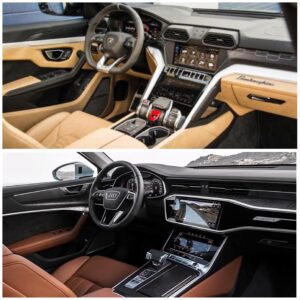
Automakers call this practice “badge engineering,” though today’s examples in modern vehicles are much sneakier than in the past. Rather than just slapping a different logo on the exact same car, companies share hidden ingredients. Think of it like a bakery using the exact same flour for both a $5 diner pancake and a $25 artisan pastry.
This forces a tough question: are you just paying a massive premium for a fancy hood ornament? The differentiation between luxury and budget subsidiary brands usually comes down to suspension tuning and leather quality. Behind the dashboard, clever cross-brand parts sharing strategies ensure hidden modules remain identical, keeping manufacturing cheap while maximizing the luxury markup.
Finding a basic plastic button in a six-figure sports car is the hidden reality of the modern auto industry. As parent companies scramble to fund new technologies, these shared parts bins are growing deeper. Penny-pinching on interior switches was just a warmup for the ultimate financial hurdle: the multi-billion dollar battery, and why EVs forced every brand to team up.
The Multi-Billion Dollar Battery: Why EVs Forced Every Brand to Team Up
Sharing plastic window buttons is one thing, but redesigning a vehicle from the ground up for electricity is an entirely different financial universe. The leap from gas tanks to battery packs costs billions in research and development, acting as the ultimate catalyst for car industry consolidation. Independent automakers simply cannot afford the price tag alone.
The financial necessity of owning multiple brands today centers on three massive expenses:
- Battery manufacturing costs: Building raw battery cells requires massive factories that only make financial sense when shared across millions of vehicles.
- Software development complexity: Creating the code to manage power systems and touchscreens is now more expensive than designing traditional engines.
- Global charging infrastructure: Ensuring cars plug in seamlessly worldwide requires investments no single brand can shoulder independently.
Modern rides are essentially giant smart devices on wheels, a concept experts call “software-defined vehicles.” Instead of competing over who can build a better V8 engine, competitors forge automotive partnerships to share the staggering costs of coding autonomous driving systems and digital dashboards.
This technological shift means the days of the small, standalone manufacturer are practically over. As conglomerates absorb smaller players to survive the electric transition, it sets up an entirely new dilemma. This leads to the consumer catch-22: is a smaller industry better for your wallet?
The Consumer Catch-22: Is a Smaller Industry Better for Your Wallet?
When an auto giant absorbs multiple brands, drivers naturally worry about paying more. Yet, the impact of industry consolidation on car prices is surprisingly mixed. By purchasing touchscreens and brakes in massive quantities, parent companies actually keep base manufacturing costs from skyrocketing out of control.
This bulk-buying strategy creates a massive win for your peace of mind through reliability synergy. When a conglomerate uses the exact same transmission across ten different models, that single part gets tested millions of times over. Bugs are fixed faster, and replacement parts become much cheaper and easier to find at your local mechanic.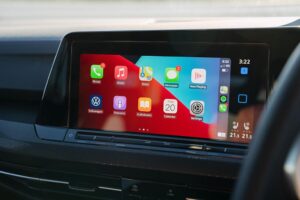
However, weighing the pros and cons of automotive mergers reveals a distinct downside: the loss of variety. Automakers constantly battle “brand cannibalisation,” where their budget cars feel so premium that nobody buys their luxury models. Are cars from the same parent company identical? Not quite, but their shared skeletons often erase the unique personality of historic nameplates.
Savvy shoppers use this dynamic to their advantage at the dealership. You can often buy a fully loaded “everyday” vehicle instead of its entry-level luxury twin, saving thousands while getting the exact same engine and chassis. Maximising these savings requires learning one last trick: identifying the parent behind the badge.
How to Spot the Parent Behind the Badge: Your New Insider Knowledge
You now realize the endless choice in the dealership lot is largely an illusion. Driven by car industry consolidation, the world’s biggest auto giants operate like massive kitchens, using the same basic ingredients to cook up dozens of different brand-name dishes. You can finally see past the marketing that disguises shared parts as bespoke luxury.
To avoid overpaying for prestige, use this 3-step ‘Secret Shopper’ checklist to identify the true manufacturer of a vehicle:
- Check your keys: Look closely at the fob, the fine print often reveals the true corporate parent.
- Check the window sticker: Note the manufacturing plant, as corporate twins are usually built together on the same assembly line.
- Research the platform: Cross-reference the car’s base with a database of automotive parent companies to find its more affordable siblings.
The next time you commute, you won’t just see random vehicles; you’ll spot the shared family trees hiding in plain sight. Shop the parent company, and notice the savings when buying the engineering instead of just the emblem.
Friday, 08th May, 2026