5 Best Electric Japanese Import Cars in Australia for 2026
Japan has long been a leader in the automotive industry, pioneering advancements in technology and efficiency. From the development of hybrid vehicles to the latest advancements in electric mobility, Japanese car manufacturers have consistently set the standard for innovation. With the global shift towards electric mobility, Japanese manufacturers are at the forefront, producing vehicles that blend performance, sustainability, and state-of-the-art technology. Their commitment to reducing carbon emissions and enhancing fuel efficiency underscores their role as pioneers in the electric vehicle market.
The Japanese automotive sector’s focus on research and development has resulted in breakthrough technologies that are both environmentally friendly and user-centric.
These innovations include advancements in battery technology, charging infrastructure, and vehicle-to-grid systems that enhance the overall driving experience. Japanese automakers’ dedication to excellence ensures that their electric vehicles not only meet but often exceed global standards for safety, reliability, and performance. This makes electric Japanese cars a preferred choice for consumers worldwide who seek a blend of cutting-edge technology and environmental responsibility.
Why Import Japanese Hybrid and Electric Cars?
Japanese cars are synonymous with reliability and innovation. Their reputation for producing durable, high-quality vehicles has been well-established over decades of automotive excellence. Importing these vehicles to Australia offers several benefits, including access to models not available in the domestic market, advanced technological features, and competitive pricing.
Furthermore, Japanese electric vehicles (EVs) are renowned for their efficiency and environmental credentials, making them a perfect fit for the environmentally-conscious Australian consumer.
The decision to import Japanese electric cars also opens up a broader spectrum of options for consumers who are looking for specific features or designs. Many Japanese models offer unique characteristics and technologies not found in vehicles available locally. Additionally, the competitive pricing of these imports, often driven by favourable exchange rates and lower production costs, makes them an attractive option for budget-conscious buyers. For those passionate about sustainability, Japanese EVs provide an eco-friendly alternative that aligns with global efforts to combat climate change.
Top 5 Electric Japanese Import Cars for 2026
1. Nissan Ariya
The Nissan Ariya exemplifies the brand’s commitment to electric mobility, combining cutting-edge technology with sleek design. This vehicle is a testament to Nissan’s forward-thinking approach, offering features that cater to the modern driver’s needs. It offers a spacious interior, advanced driver-assistance systems, and a dual-motor all-wheel-drive system. With a range of up to 500 kilometres on a single charge, the Ariya is poised to cater to long-distance drivers in Australia. Its innovative ProPILOT 2.0 system enhances safety and driving comfort, making it a top choice for those seeking a reliable and futuristic EV experience.
The Ariya’s design reflects a harmonious blend of sophistication and functionality, appealing to those who appreciate both aesthetics and practicality. Its advanced infotainment system and seamless connectivity options ensure that drivers remain engaged and informed on the road.
The vehicle’s emphasis on safety, with features such as lane-keeping assist and adaptive cruise control, provides peace of mind for drivers and passengers alike. As a flagship model in Nissan’s electric line-up, the Ariya represents a significant step forward in the evolution of electric vehicles.
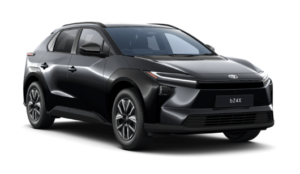
2. Toyota bZ4X
Toyota’s foray into the electric vehicle market is marked by the bZ4X, a dynamic SUV that merges Toyota’s legendary reliability with eco-friendly innovation. As part of Toyota’s ‘Beyond Zero’ initiative, this model signifies the brand’s commitment to achieving carbon neutrality. This model features a unique design, an efficient powertrain, and a suite of advanced safety features under the Toyota Safety Sense technology. With a focus on sustainability, the bZ4X utilises recycled materials in its construction, reducing its carbon footprint. Its robust range and fast-charging capability make it a standout option for Australian drivers.
The bZ4X’s design philosophy emphasises both environmental responsibility and cutting-edge technology. Its aerodynamic styling not only enhances its visual appeal but also contributes to its energy efficiency. Inside, the vehicle offers a user-centric interface with intuitive controls and connectivity options that cater to tech-savvy drivers. The combination of Toyota’s engineering expertise and innovative design ensures that the bZ4X delivers a driving experience that is both enjoyable and sustainable.
3. Honda e
The Honda e is a compact urban electric vehicle that combines retro aesthetics with modern technology. Its design pays homage to classic Honda models while incorporating futuristic elements that set it apart from other urban electric vehicles. Designed for city dwellers, it offers nimble handling, a futuristic interior, and an emphasis on connectivity and user-friendly technology.
The Honda e’s compact size and impressive turning radius make it ideal for navigating Australia’s bustling urban centres. Despite its small stature, the Honda e is equipped with an array of safety features, ensuring peace of mind for its occupants.
The Honda e’s interior is a marvel of modern design, featuring a digital dashboard that provides drivers with comprehensive information at a glance. Its emphasis on connectivity is evident in the integration of smart home technology, allowing drivers to control home devices from the comfort of their car. The vehicle’s eco-friendly credentials are enhanced by its efficient electric powertrain, which offers both a quiet and responsive driving experience. As a city car, the Honda e exemplifies the balance between style, functionality, and sustainability.

4. Mazda MX-30 EV
Mazda’s MX-30 EV reflects the brand’s dedication to crafting vehicles that offer both performance and sustainability.
The MX-30 EV stands out with its unique design, characterised by freestyle doors and a minimalist interior that emphasises simplicity and elegance. Its unique design, characterised by freestyle doors and a minimalist interior, sets it apart from other EVs. The MX-30 EV is equipped with Mazda’s e-Skyactiv technology, delivering a smooth and responsive driving experience. Its focus on sustainable materials, such as cork and recycled fabrics, underscores Mazda’s commitment to environmental conservation. This model is perfect for those who value style and substance in equal measure.
The MX-30’s interior is designed to foster a sense of calm and tranquillity, with natural materials that create a warm and inviting atmosphere. Its innovative approach to sustainability extends to its production processes, where Mazda strives to minimise environmental impact.
The vehicle’s driving dynamics reflect Mazda’s commitment to the ‘Jinba Ittai’ philosophy, ensuring that the driver feels connected to the road. The MX-30 EV is not just a car but a statement of Mazda’s vision for a sustainable future.

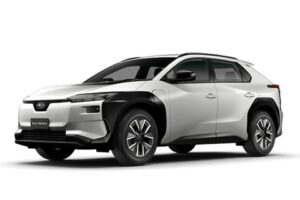
5. Subaru Solterra
The Subaru Solterra represents the brand’s first electric vehicle, developed in collaboration with Toyota. This collaboration harnesses the strengths of both companies to create a robust and capable electric SUV. This SUV combines Subaru’s renowned all-wheel-drive capability with electric efficiency. It offers a spacious interior, advanced safety features, and a robust range, making it suitable for both urban and rural Australian environments. The Solterra’s symmetrical all-wheel-drive system ensures stability and control, whether navigating city streets or off-road tracks.
The Solterra’s design is both practical and stylish, with a focus on versatility and functionality.
Its spacious cabin provides ample room for passengers and cargo, making it ideal for families and adventure seekers alike. Subaru’s commitment to safety is evident in the vehicle’s comprehensive suite of driver-assistance technologies, designed to protect occupants in all driving conditions. As a testament to Subaru’s engineering expertise, the Solterra offers a seamless blend of performance, safety, and environmental responsibility.
The Future of Electric Mobility in Australia
The adoption of electric vehicles in Australia is set to accelerate, driven by increasing environmental awareness and government incentives. As the country invests in renewable energy and infrastructure, the transition to electric mobility becomes more feasible and attractive.
Japanese electric imports play a crucial role in this transition, offering Australian consumers access to world-class technology and design. As the infrastructure for electric vehicles expands, the ease and appeal of owning an EV will continue to grow, making now an opportune time to consider an electric Japanese import.
Government initiatives aimed at reducing carbon emissions and promoting sustainable transport options are expected to further boost the adoption of electric vehicles. Incentives such as tax rebates, reduced registration fees, and investments in charging infrastructure will make electric vehicles more accessible to the general public. Moreover, as public awareness of the environmental impact of traditional vehicles increases, consumer preference will naturally shift towards more sustainable options.
This shift will not only benefit the environment but also drive innovation and competition within the automotive industry, leading to better and more affordable electric vehicles.
In conclusion, the five electric Japanese import cars highlighted in this article represent the pinnacle of automotive innovation and sustainability. By choosing to import these vehicles, Australian consumers can enjoy the benefits of advanced technology, reliability, and environmental consciousness. As the automotive industry evolves, these vehicles are poised to lead the charge towards a greener, more sustainable future. The transition to electric mobility is not just a trend but a pivotal shift in how we approach transportation, and Japanese imports will undoubtedly play a significant role in shaping this future.
Friday, 15th May, 2026