The Growth and Strategic Importance of the Global Tyre Recycling Industry

Every year, humanity discards 1.5 billion tyres, enough scrap rubber to wrap around the moon multiple times. Most drivers assume these heavy black rings simply vanish into landfills once their tread wears thin. Yet, industry data reveals these discarded products, officially called End-of-Life Tyres (ELTs), represent an untapped treasure rather than a grimy environmental burden.
Instead of drilling deep underground for fresh oil, forward-thinking innovators are practicing “Urban Mining.” This concept treats our modern cities and scrap yards as the newest resource fields. According to market analysts, this shift in tyre waste management transforms a global headache into a lucrative $20 billion opportunity. Scrap rubber is no longer considered trash; it is a massive stockpile of pre-processed raw materials waiting for extraction.
Recognizing this hidden value actively reshapes the entyre global tyre market. By capturing the valuable ingredients trapped inside old treads, the global tyre recycling industry is rapidly emerging as a vital strategic partner for car manufacturers. Automotive giants now realize that building the vehicles of the future requires harvesting the tyres of the past.
The “Industrial Scissors” Strategy: Turning Rubber Scraps into Resilient Roads
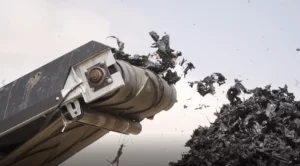
Converting scrap tyre waste into raw materials starts with a process called mechanical shredding. Think of this step as a giant pair of industrial scissors. These massive machines easily slice tough, weather-beaten treads into jagged chunks, breaking the physical structure down and preparing the pieces for their ultimate separation.
Once chopped up, the pieces run through an industrial “sorting hat” to pull the three core materials apart. Powerful magnets extract the high-tensile steel wire, which is actually high-quality enough to be sent directly to smelting plants. Meanwhile, air vacuums suck away the synthetic fibers. What remains at the end of the belt is a mountain of pure, pellet-sized fragments known as crumb rubber.
Rather than sitting in a landfill, this recovered rubber is now transforming the streets we drive on. When mixed with traditional paving materials, it creates rubberized asphalt, which dramatically outperforms standard pavement in extreme heat and freezing cold. The specific benefits of rubberized asphalt in road construction include:
- Durability: It resists cracking and handles severe temperature swings effortlessly.
- Safety: The rubberized texture provides superior skid resistance for cars.
- Comfort: It acts as a cushion, noticeably reducing traffic noise.
Building a robust tyre recycling infrastructure around this shredding method is an incredible way to tackle global waste. Yet, mechanical recycling only changes the rubber’s shape. To truly extract the ultimate strategic value from an old tyre, we must look deeper and explore Un-Baking the Cake: How Pyrolysis Reclaims High-Value Chemicals.
Un-Baking the Cake: How Pyrolysis Reclaims High-Value Chemicals
Look at a tyre and imagine turning it back into liquid oil. While chopping rubber solves immediate waste problems, the shift toward tyre pyrolysis vs mechanical shredding represents a massive technological leap. If shredding is like slicing a baked cake into manageable pieces, pyrolysis is the science of actually un-baking it. This process uses intense heat inside an oxygen-free chamber to trigger thermal decomposition, gently melting the rubber down into its original raw ingredients without ever catching fire.
Inside these sealed industrial ovens, the complex chemical bonds holding the tread together safely break apart. Instead of producing the toxic smoke associated with burning a tyre, this enclosed system separates the material into three highly valuable components. The “un-baking” process yields a synthetic gas that can actually be used to power the recycling plant itself, a rich liquid oil, and a solid black char.
Capturing that liquid creates a massive opportunity for resource independence. This extracted oil becomes Tyre-Derived Fuel (TDF), a powerful alternative energy source that burns cleaner and hotter than traditional coal. The economic value of tyre-derived fuel production is undeniable for heavy industries like cement manufacturing, allowing them to dramatically lower their reliance on newly extracted fossil fuels while simultaneously clearing out millions of discarded tyres.
This sophisticated technology is completely redefining the future of rubber waste recovery systems. We are no longer just managing a dirty trash problem, but rather harvesting a valuable, above-ground energy reserve. Yet, while the fuel and gas are incredibly useful, that leftover solid char holds an even greater prize for tyre manufacturers, leading us directly into the quest for recovered carbon black: cutting CO2 and costs.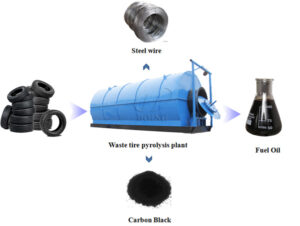
The Quest for Recovered Carbon Black: Cutting CO2 and Costs
Did you know the ingredient making your tyres black also makes them last for thousands of miles? The solid char left after the un-baking process is the absolute most valuable secondary material recovered from tyres. This is refined into Recovered Carbon Black (rCB), the true “black gold” driving recycling profits.
Traditionally, manufacturers rely on “Virgin Carbon Black,” created by burning heavy fossil fuels from scratch. Switching to rCB completely changes the environmental and financial equation for factories:
- Emissions: Producing rCB slashes CO2 emissions by a massive 80% compared to manufacturing virgin material.
- Costs: Recovered materials shield companies from unpredictable global oil prices, stabilizing long-term production expenses.
Extracting this resource from old treads is essentially the urban mining of high-quality carbon black. By using rCB instead of virgin materials in everyday goods like rubber hoses, plastic car parts, and running shoes, we are significantly reducing carbon footprint through tyre recycling while protecting natural resources.
That massive pile of discarded rubber now looks like a strategic supply chain stockpile rather than a pollution crisis. Because this recovered material is so vital to future manufacturing, global automotive leaders are eager to secure it, perfectly explaining why brands like Michelin and Bridgestone want your used tyres back.
Closing the Loop: Why Michelin and Bridgestone Want Your Used Tyres Back
Imagine if your current tyres were destined to become your next set. Global giants like Michelin and Bridgestone are spending millions to make this reality by fundamentally changing how they source materials. Instead of the old “take, make, and toss” model, these companies are driving the circular economy role in automotive supply chains. Treating worn-out treads as raw ingredients for tomorrow’s vehicles secures private resource stockpiles and reduces reliance on unpredictable global oil markets.
Reversing a tyre’s tough structure requires a bit of chemical magic, acting much like un-baking a hardened cake. Through devulcanization technology for closed-loop manufacturing, engineers break the strong sulfur bonds that originally gave the rubber its road-gripping durability. Once restored to a soft, pliable state, this recovered material is molded directly into brand-new premium tyres, drastically reducing the need to harvest fresh tree sap.
Behind this massive industrial shift are smart new global rules known as extended producer responsibility for tyre manufacturers. This concept dictates that a brand’s job no longer ends the moment you drive off the lot; they must now legally or financially manage the recycling of their old products. Because companies increasingly face the costs of their own waste, they are highly motivated to design easily recyclable treads right from the drawing board.
Transforming end-of-life rubber into a valuable corporate asset turns a historic pollution problem into a self-sustaining loop. When massive corporations actively harvest old products to build new ones, the entire planet benefits from the saved energy and preserved resources. From consumer to circular participant: your roadmap to a sustainable ecosystem begins with knowing exactly where those worn-out treads go next.
From Consumer to Circular Participant: Your Roadmap to a Sustainable Ecosystem
You no longer have to look at a worn-out set of tyres as an environmental burden. Instead, you can now see them as the “black gold” of a modern circular economy. Recognizing the sustainable advantages of utilizing recycled rubber vs virgin synthetic polymers allows us to finally treat this former waste as a highly valuable, strategic resource.
This shift from a grimy landfill problem to a sophisticated manufacturing solution proves the recycling sector is a vital pillar of the modern automotive world. For major corporations, studying a guide to tyre recycling infrastructure investment is no longer just about following environmental rules; it is a competitive race to secure the raw materials of tomorrow.
However, you do not need a corporate budget to drive this change. You hold the power to ensure your own vehicles contribute to this growing loop. Implementing sustainable end-of-life tyre management starts right in your driveway with a few simple choices.
Take these four practical steps to support the tyre recycling ecosystem:
- Ask your local dealership or mechanic where your old tyres go when replaced.
- Choose repair shops that partner directly with certified material recovery facilities.
- Maintain proper tyre pressure to extend your tread life and prevent premature waste.
- Purchase everyday items, like running shoes or playground mats, made from recovered materials.
Imagine a future where no tyre is ever truly thrown away, where the black rubber carrying you to work today is simply “un-baked” and reformed to build your next car tomorrow. Each time you actively participate in this system, you help transform a global environmental challenge into a triumph of human ingenuity.
Friday, 24th April, 2026