Tips and Tricks to Get the Most Out of Your Fuel Tank During Australia’s Fuel Crisis
Watching the numbers climb at the petrol pump brings a familiar pit to the stomach. Crossing $2.00 per litre is now a painful weekly reality, according to recent ACCC data. Global markets might be untouchable, but you actually have massive power over your car’s daily thirst.
Your best defense is a “Wallet-First Strategy,” which prioritizes simple changes that keep immediate dollars in your pocket. Motoring research reveals that mastering zero-cost driving habits, quick driveway fixes, and strategic bowser planning saves everyday drivers over $500 annually. Implementing these practical adjustments will significantly stretch your fuel budget and help you navigate rising costs.
The ‘Smooth Operator’ Technique: Why Gentle Toes Save More Than New Parts
Watching someone treat the school run like a Grand Prix is frustrating, especially knowing that heavy foot is literally burning cash. Hard acceleration followed by slamming the brakes causes “kinetic energy waste.” In simple terms? You pay top dollar to build speed, only to throw that expensive momentum away as heat in your brake pads. Developing the best fuel efficient driving habits stops this costly cycle.
Mastering gentle pedal control, a core part of hypermiling techniques for beginners, is your strongest defence against bowser shock. Imagine a raw egg under your accelerator; push too aggressively, and you make an expensive mess. This smooth approach can slash fuel bills by 20%, beating most standard green driving tips.
To keep that hard-earned momentum, read the road 10 seconds ahead using this anticipation checklist for red lights:
- Lift your foot early.
- Let the car coast.
- Brake gently to stop.
Ditch the Dead Weight: Turning Your Car into a Lean Fuel-Saving Machine
Leaving extra gear in the boot seems harmless, but your vehicle feels every kilo. Think of your car like a hiker; carrying a heavy backpack drains energy much faster. By reducing car weight to save petrol, you dodge the 1-2% fuel penalty associated with every 50kg of unnecessary baggage. A quick weekly boot purge is one of the most practical fuel efficiency tips Australian drivers can adopt to instantly keep more cash in their wallets.
External drag is equally costly to your weekly budget. If you’ve ever held your hand out a moving window, you understand how fiercely the wind pushes back. This invisible wall explains the painful effect of roof racks on fuel consumption. Even empty, they act like a parachute, silently stealing petrol on every highway run. Unbolt them until your next holiday.
Under-Pressure: Why a 5-Minute Tyre Check Is the Highest Hourly Wage You’ll Earn
Remember riding a bike with flat tyres? Your engine feels that same exhausting struggle when your car’s tyres are soft. This extra road friction is called ‘rolling resistance’. Because the engine must push significantly harder to maintain speed, the negative impact of tire pressure on fuel economy quietly drains extra dollars from your wallet every tank.
Fixing this is completely free. Next time you visit the local servo, use this quick guide to reset your tyres:
- Check inside your driver’s door frame for a sticker showing your car’s ideal “Placard PSI” number.
- Type that exact figure into the servo’s digital air pump.
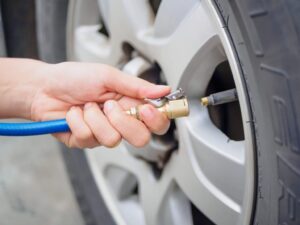
- Attach the hose to each tyre valve until the machine beeps.
Making this a simple monthly habit stops your cash from evaporating on the tarmac. While booking regular car servicing for better mileage is crucial for long-term health, pumping up your tyres gives instant financial relief.
Cracking the Code of Australian Petrol Cycles: Timing Your Fill-Up Like a Pro
Watching the bowser jump thirty cents overnight feels unfair, but it is just the predictable rhythm of the petrol price cycles Sydney, Melbourne and other capitals experience. Savvy drivers check ACCC fuel price monitoring data online to pinpoint exactly when prices hit rock bottom.
Once prices drop, let your smartphone hunt for the best deals using the top fuel price apps Australia offers:
- PetrolSpy: Features community-updated maps to find the cheapest fuel within a 5km radius.
- FuelMap: Great for uncovering cheaper, independent local servos you might otherwise drive past.
- 7-Eleven App: Lets you digitally ‘lock in’ today’s cheapest price to use up to a week later.
Finally, beware the ethanol trap. When comparing E10 vs 91 unleaded fuel consumption, remember E10 has a lower “energy density” (less raw power). Because your car must burn more E10 to travel the same distance, standard 91 actually saves you cash unless E10 is at least 3 cents cheaper.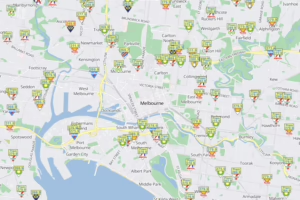
The Speed vs. AC Dilemma: Maximising Kilometres on the Open Highway
A scorching highway drive brings up a classic debate: air conditioning vs open windows fuel efficiency. Around town, keeping the windows down saves cash. However, above 80km/h, open windows create a massive “parachute” effect. This drag-to-efficiency ratio dictates that your car burns far more petrol fighting that wind resistance than it simply would running the AC on a low setting.
Finding the optimal speed for maximum fuel economy is your next advantage, typically sitting around 80-90km/h where engine momentum perfectly balances aerodynamic pushback. Once cruising, understanding how to use cruise control to save gas eliminates the tiny, fuel-wasting pedal adjustments human feet naturally make.
The 60-Second Checklist: Your Immediate Roadmap to a Cheaper Commute
You don’t need an EV to beat the bowser. Master these practical fuel efficiency habits with this daily checklist:
- Check tyre pressure
- Clear boot weight
- Smooth out pedals
- Open fuel apps
- Avoid idling
Commit to a monthly maintenance and weight check, and set a goal to save one full tank’s worth over the next quarter! Pro-Tip: Use smart route planning for fuel savings—avoid right-hand turns to stop idling.
Monday, 20th April, 2026