How Does a Plug-In Hybrid Vehicle Actually Work? What You Need To Know
Imagine a car that acts as a pure electric vehicle for daily commutes, but instantly transforms into a traditional petrol-powered cruiser for weekend getaways. According to industry data, this built-in flexibility makes a plug-in hybrid vehicle (PHEV) the ultimate cure for range anxiety.
Exactly how does a plug-in hybrid vehicle actually work compared to standard hybrids? The magic lies in a dual powertrain configuration. Unlike conventional models that merely assist the petrol engine, plug-ins use larger, home-charged batteries to provide a genuine all-electric safety net.
Practical tracking shows this design drastically slashes monthly visits to the petrol station. By shifting smoothly from a battery-powered commuter to a petrol-fuelled road trip hero, reducing your carbon footprint becomes completely effortless.
Two Hearts Under the Bonnet: How the Motor and Engine Handshake
In a dual powertrain setup, the vehicle’s computer acts as a smart traffic cop, always prioritising the electric motor first. For daily errands, it relies entirely on your electric-only driving range, silently handling those short trips without burning a single drop of fuel.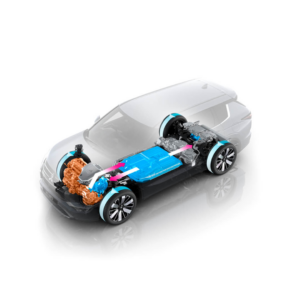
But what happens when you need to quickly merge onto a fast-moving motorway? Stepping hard on the accelerator triggers a blended mode operation, instantly waking up the petrol engine to help. The two power sources push the car forward together, combining their strength to deliver a smooth, confident burst of speed exactly when you need it.
This flawless teamwork proves the petrol engine is far more than a simple emergency backup. It acts as an active partner that takes over on long road trips the moment the battery’s charge depletes, guaranteeing you never get stranded.
The Smartphone Strategy: Mastering Home Charging and the Onboard Charger
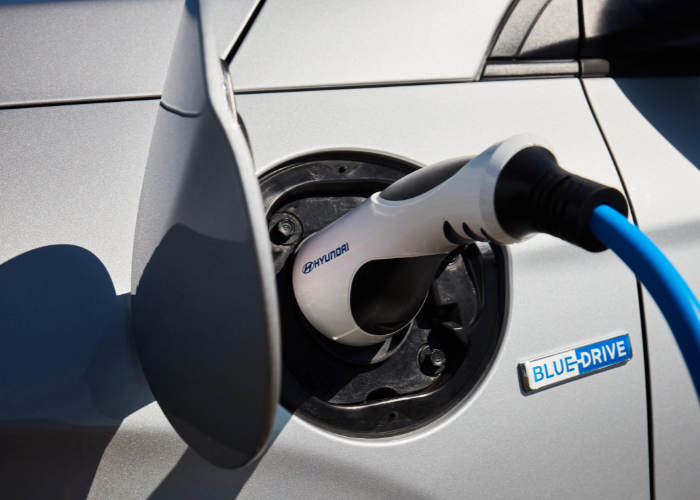
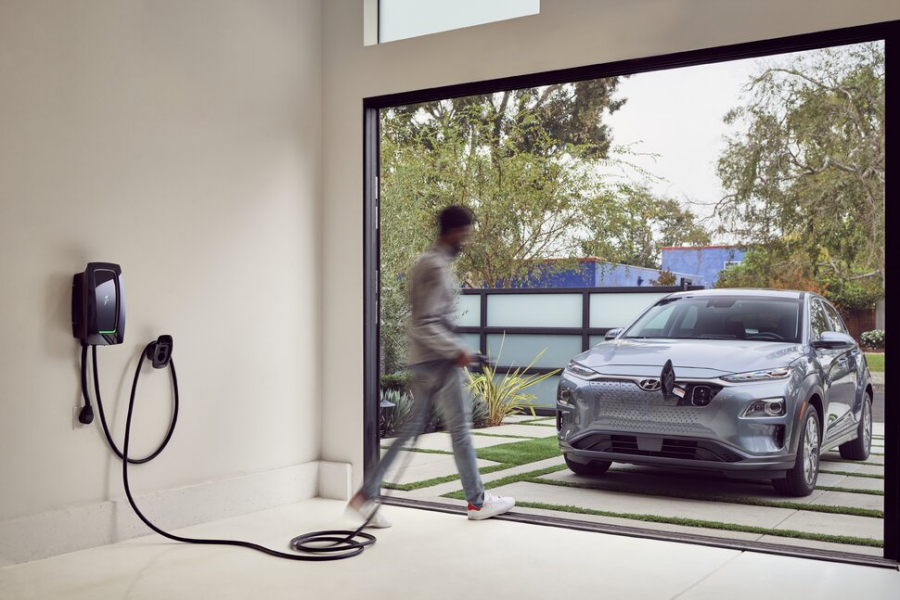
Treating your vehicle like a giant smartphone makes charging a PHEV at home incredibly simple. When you plug into the wall, a built-in charger acts exactly like your phone’s power adapter. It efficiently translates regular household electricity into the specific type of power your car battery stores, regardless of the technical differences between an onboard charger vs inverter.
Your daily driving habits will dictate which charging setup best fits your lifestyle:
- Standard 3-Pin Socket (230V): Uses a normal wall plug to fill the battery in 8 to 12 hours, ensuring a full charge simply by plugging in while you sleep.
- Dedicated Wallbox (7kW): Refills the battery in just a few hours, though meeting Level 2 charging station requirements typically involves hiring an electrician to install a heavy-duty outdoor unit.
Even if you forget to plug in overnight, the vehicle has a built-in backup plan to capture wasted momentum on the road.
Energy Recycling: How Your Brakes Put kilometers Back into the Battery
Every time you brake in a standard car, friction creates heat that simply vanishes into the air. A plug-in hybrid vehicle captures that wasted momentum instead. Through regenerative braking, the vehicle recycles your stopping power, turning it directly back into usable electricity.
Picture the electric motor running in reverse to understand how this works. When you lift your foot off the accelerator, the rolling wheels physically spin the motor, transforming it into a temporary generator. This sends energy straight back into the battery, making regenerative braking system functionality an automatic background process while you drive.
Constant stop-and-go city traffic actually becomes a massive advantage here. This continuous energy recovery is the secret to maximising fuel efficiency in plug in hybrid vehicles, since every red light gently refills your battery rather than burning petrol.
The ‘No-Panic’ Reality: What Happens When the Battery Hits Zero
A common fear is that hitting 0% electric range leaves you stuck on the hard shoulder of the motorway. Fortunately, knowing exactly what happens when a plug-in hybrid battery runs out eliminates that anxiety entirely. Like a perfectly timed relay race, the electric motor seamlessly passes the baton to the internal combustion engine without you ever needing to pull over or flip a switch.
Behind the scenes, the vehicle maintains a hidden energy “buffer” to protect the battery from fully draining. Once your pure electric kilometers are exhausted, this safety margin highlights one of the key PHEV vs conventional hybrid differences. Instead of acting like a fully electric car, it instantly transforms into a standard fuel-saving hybrid, blending petrol and recycled braking momentum to keep your journey moving.
Taking a long road trip under these conditions feels just like driving a normal petrol car, complete with quick stops at traditional pumps. You get the daily benefits of emission-free commuting without ever sacrificing weekend adventures.
The Bottom Line: Calculating Your Savings and Tax Incentives
Rather than viewing a two-engine car as complicated, it serves as the ultimate safety net. Because the electric motor handles daily commutes, the petrol engine rests. This reduces petrol station visits and lowers long-term maintenance costs for plug-in hybrid vehicles, since the engine experiences significantly less wear and tear.
To see if this technology fits your driveway, review these three financial factors:
- Calculate your average daily mileage to estimate fuel savings with plug-in hybrids.
- Check your local electricity rates against current petrol prices.
- Review your eligibility for government grants and tax incentives for plug-in hybrid vehicles.
A PHEV isn’t a compromise; it’s a bridge giving you the perks of electric driving today, without sacrificing the freedom of an unplanned weekend road trip.
Thursday, 30th April, 2026