What Is The Difference Between A Hybrid & A Plug In Hybrid?
Choosing the right vehicle can be a daunting task. With the rise of electric vehicles, the options have expanded. Among these, hybrid vs plug-in hybrid cars are popular choices.
But what’s the difference between a hybrid and a plug-in hybrid? Understanding this can help you make an informed decision. Both types offer unique benefits and cater to different needs.
Hybrid cars combine a petrol engine with an electric motor. This setup improves fuel efficiency without needing external charging. Plug-in hybrids, however, have larger batteries that can be recharged by plugging into a power source.
This article will explore the key differences between hybrid and plug-in hybrid vehicles. We’ll cover their technology, cost, and environmental impact. By the end, you’ll know which type suits your lifestyle best.
Understanding Hybrid Cars
Hybrid cars have been on the market for many years. They combine a petrol engine with an electric motor. This collaboration helps optimise fuel efficiency.
The electric motor assists the engine during acceleration. It also powers the car at low speeds to save fuel. Regenerative braking helps recharge the battery.
A significant advantage of hybrid cars is the lack of need for external charging. They rely on the engine and braking to recharge the battery. This feature makes them convenient for those without easy access to charging stations.
electric vehicles are an excellent choice for drivers looking to reduce fuel consumption. They offer improved efficiency compared to traditional petrol vehicles. With their simpler technology, hybrids are often more affordable.
Key Features of Hybrid Cars:
- Combination of petrol engine and electric motor
- No need for external charging
- Improved fuel efficiency
- Regenerative braking system
- Typically more affordable than plug-in hybrids
Hybrids provide a stepping stone to more sustainable driving. They help lower emissions, contributing to an eco-friendlier lifestyle. As technology progresses, hybrid cars continue to be a reliable choice for many drivers.
What Is a Plug-In Hybrid?
Plug-in hybrid vehicles are an advanced type of hybrid. They feature larger batteries than traditional hybrids. This allows them to travel on electric power alone for limited distances.
One key advantage of plug-in hybrids is their ability to be recharged. You can plug them into an external power source. This enhances their electric-only driving range.
Typically, plug-in hybrids offer an electric range between 30 to 80 kilometers. After the battery depletes, the petrol engine steps in seamlessly. This dual system provides flexibility in various driving conditions.
Plug-in hybrids are ideal for short daily commutes on electric power. When longer trips are required, the petrol engine offers peace of mind. Their versatility appeals to many environmentally conscious drivers.
Key Features of Plug-In Hybrids:
- Larger batteries and electric-only range
- Requires external charging to recharge batteries
- Combination of electric and petrol power
- Suitable for short trips and urban driving
- Government incentives may be available for purchase
Overall, plug-in hybrids offer a compelling blend of sustainability and convenience. They are an attractive option for those seeking to minimise petrol usage while maintaining driving flexibility.
Key Differences: Hybrid vs Plug-In Hybrid
Understanding the differences between hybrid vs plug-in hybrid vehicles is crucial for making informed choices. The primary distinction lies in how these vehicles manage their power sources.
Hybrid cars mainly rely on both a petrol engine and a small electric motor. However, they do not require external charging. Instead, they recharge through regenerative braking during driving.
Plug-in hybrids, on the other hand, are designed with larger batteries. These need to be charged from an external power outlet. This allows for a longer electric-only driving range compared to traditional hybrids.
Notable Differences:
- Battery Size and Range: Plug-in hybrids have larger batteries offering longer electric ranges.
- Charging Requirement: Only plug-in hybrids need external charging.
- Fuel Efficiency: Both are fuel-efficient, but the strategy differs.
- Driving Mode: Plug-in hybrids can operate in full electric mode for short distances.
- Cost: Plug-in hybrids usually have a higher initial purchase price due to their advanced technology.

Overall, the choice between hybrid and plug-in hybrid depends on your driving habits and access to charging stations. Each type offers a unique blend of benefits, catering to different lifestyles and needs.
How Do They Work? Technology and Operation
How Hybrid vehicles work is by integrating a petrol engine with an electric motor. This combination enhances the vehicle’s overall efficiency. The electric motor assists the petrol engine during acceleration and other driving conditions.
Meanwhile, plug-in hybrids advance this concept. They contain larger battery packs that can be charged from an external source. This feature allows them to run on electric power alone for specific distances.
Technology Highlights:
- Hybrid Cars: Utilise regenerative braking to recharge batteries.
- Plug-In Hybrids: Require external charging for longer electric range.
- Engine Interaction: Both types automatically switch between electric and petrol power for optimum performance.
The technology in both systems aims to improve fuel efficiency and reduce emissions. Hybrids rely on simplified systems using regenerative braking, while plug-in hybrids use more advanced charging technology to maximise electric use.
Both vehicle types automatically manage power distribution. This ensures you gain the most efficient use of fuel and electricity while driving.
Fuel Efficiency and Electric Range
Fuel efficiency is a key selling point for hybrids or electric vehicles. These cars use less fuel by supplementing petrol power with electricity. This leads to notable savings, especially for those who drive long distances.
Plug-in hybrids take fuel efficiency further. They allow for trips powered entirely by electricity for short distances. This can significantly lower fuel consumption in city traffic or during short commutes.
Electric Range Details:
- Hybrid Cars: Tend to have a smaller battery, no electric-only range.
- Plug-In Hybrids: Offer an electric range typically between 30 to 80 kilometers.
- Fuel Savings: More pronounced in plug-in hybrids, especially for short trips.
The electric range of a plug-in hybrid largely depends on the model. With more charging stations available, using electric power has never been easier for plug-in hybrid owners. Such vehicles provide greater flexibility by allowing drivers to switch seamlessly between electric and petrol power, optimising fuel use.
Charging and Convenience
One of the largest differences between hybrid vs plug-in hybrid vehicles is how they charge. Traditional hybrids recharge their batteries through regenerative braking and the gas engine. There’s no need for plugging in, making them convenient for many drivers.
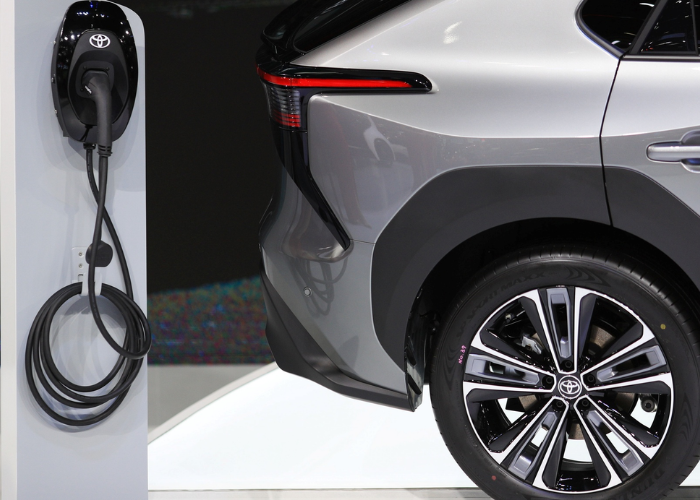
Plug-in hybrids, however, require external charging to maximise their electric range. Access to charging stations is essential for these cars. This can be a consideration for those without immediate access to home or public charging stations.
Considerations for Charging:
- Hybrid Cars: No need for external charging; rely on regenerative braking.
- Plug-In Hybrids: Require charging stations to utilise electric-only driving.
- Convenience Factor: Hybrids generally need less planning for long trips.
For plug-in hybrid users, proper planning ensures an efficient use of electric power. This requirement can be both a pro and a con, depending on individual access to charging infrastructure.
Cost Comparison: Purchase Price, Incentives, and Ownership
When purchasing a hybrid car, the initial cost is often lower. This affordability is due to simpler technology. Traditional hybrids typically cost less than their plug-in counterparts.
Plug-in hybrids usually come with a higher price tag. The larger battery packs and advanced tech contribute to this. However, there are often government incentives that can lower the purchase price. These incentives help make plug-in hybrids more financially accessible.
Cost Factors to Consider:
- Initial Cost: Traditional hybrids are generally more affordable.
- Incentives: Plug-in hybrids may qualify for government rebates.
- Ownership Costs: Maintenance may be lower, due to less engine use.
Considering the total cost of ownership, both hybrid types can save money. Fuel efficiency and potential incentives mean lower ongoing expenses. It’s important to analyse all aspects when choosing between these vehicles.
Environmental Impact
Both hybrid and plug-in hybrid cars are designed to lower emissions. They use less fuel compared to traditional petrol vehicles, reducing their carbon footprint. However, their impact varies.
Plug-in hybrids provide the potential for greater emission reductions. This is thanks to their ability to operate solely on electric power for short distances. They can significantly decrease petrol consumption if charged regularly.
Environmental Considerations:
- Emissions Reduction: Both types contribute positively compared to standard vehicles.
- Electric Driving: Plug-in hybrids offer more electric-only kilometers.
- Sustainable Choice: Both promote cleaner energy use.
Choosing between them involves weighing how each aligns with your environmental priorities. Emissions, driving habits, and charging availability all play critical roles.
Which Is Right for You? Factors to Consider
Choosing between a hybrid and a plug-in hybrid depends on various personal factors. Your lifestyle and daily driving habits play a significant role in this decision. Consider how you plan to use the vehicle.
Evaluate the availability of charging stations near your home and workplace. Regular access to charging can make a plug-in hybrid more appealing. For those with long commutes, this option can offer substantial fuel savings.
Considerations:
- Daily Commute Distance: Length influences fuel savings.
- Access to Charging: Essential for plug-in hybrids.
- Environmental Concerns: Determine emissions priority.
- Cost vs. Budget: Initial and maintenance expenses.
Ultimately, understanding your priorities can guide you to the best choice. Consider long-term benefits and how each option aligns with your values.
The Future of Hybrid and Plug-In Hybrid Cars
Hybrid and plug-in hybrid cars are paving the way for the future. As technology advances, these vehicles will become even more efficient and popular.
Consumer awareness and environmental concerns continue to grow. This trend will drive the adoption of hybrids, making them a key part of sustainable transport.
Conclusion
Understanding the difference between hybrid and plug-in hybrid vehicles can guide your buying decision. Each vehicle type offers its own set of benefits tailored to different needs.
Hybrids are great for those seeking fuel efficiency without worrying about charging. Plug-in hybrids, on the other hand, offer electric driving for shorter trips with petrol back-up for longer distances.
The choice comes down to your lifestyle and priorities. Whether you value electric range, convenience, or cost, both options contribute to a greener planet.
Tuesday, 28th April, 2026